Samvit Blass
Crafting Stories through Product Design
Samvit Blass was born in Auroville to a family with a deep connection to nature: his mother was an artist and teacher, and a father was a computer engineer and entrepreneur. His products seem to be the perfect combination of all the interests of his parents – artisanal products which could be considered almost sculptural, yet put together through a mechanical maturity with engineered details.
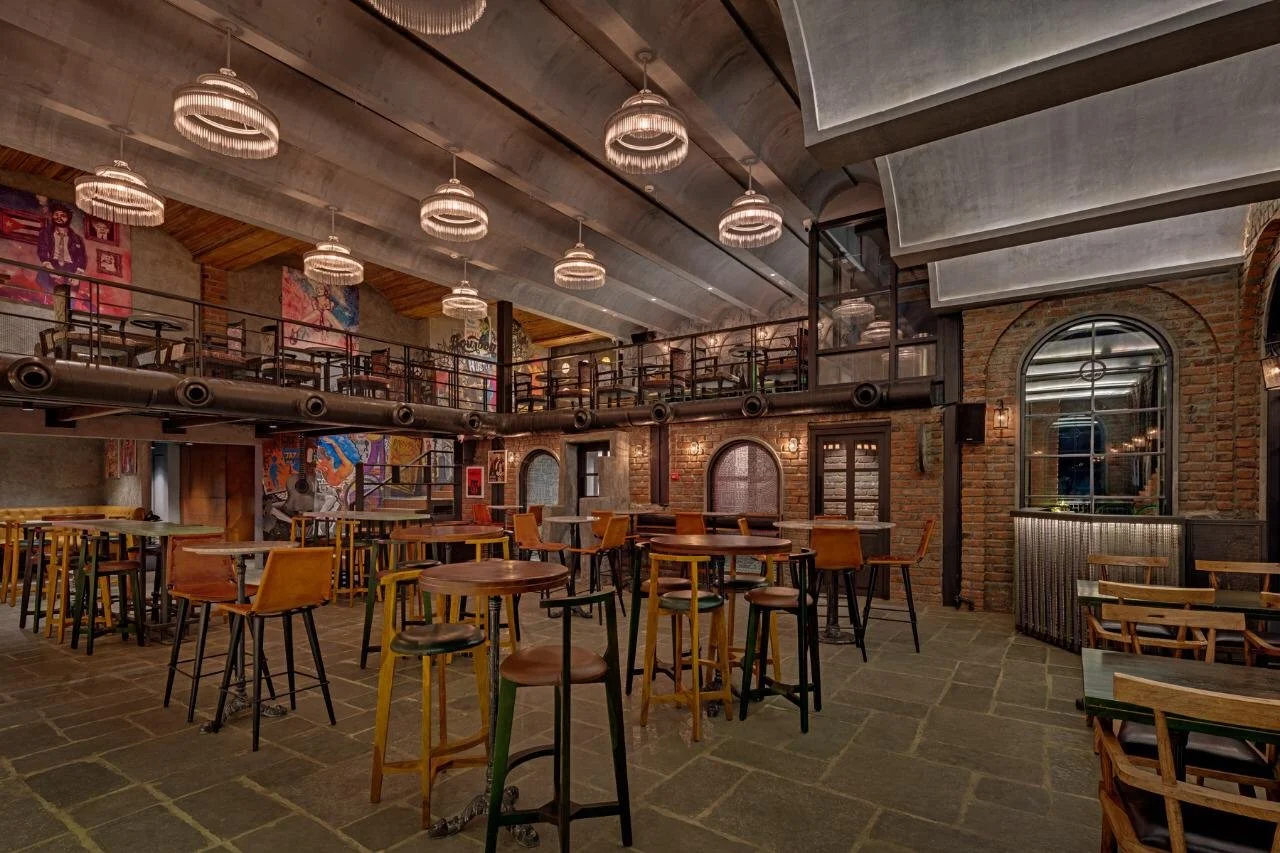
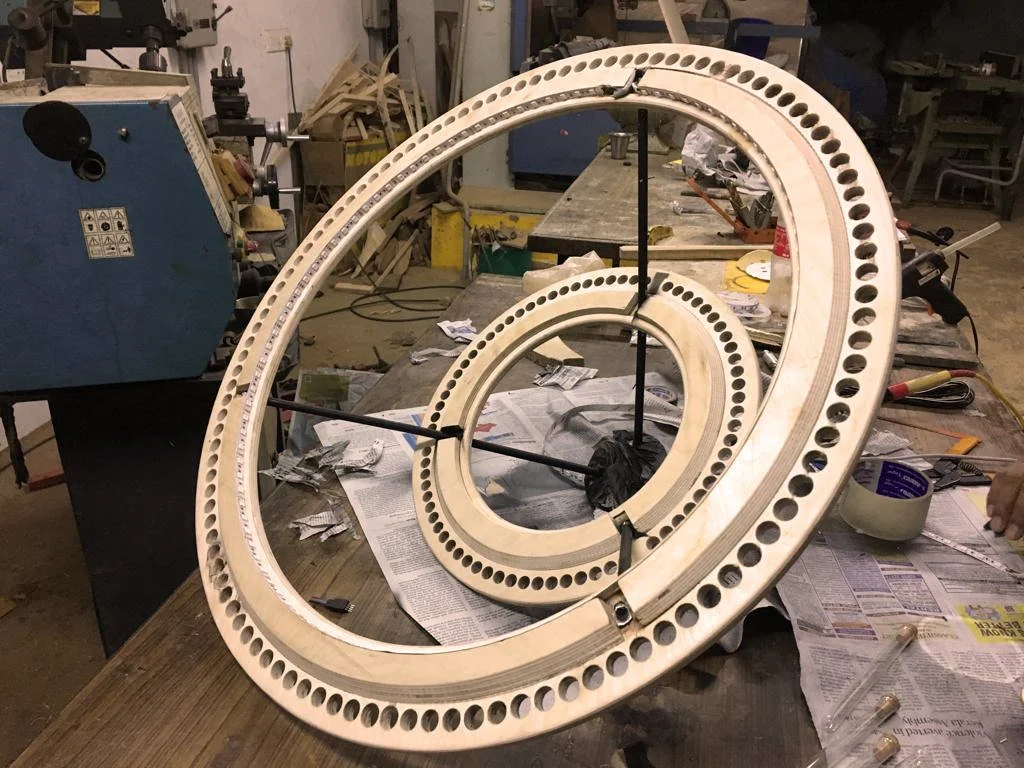
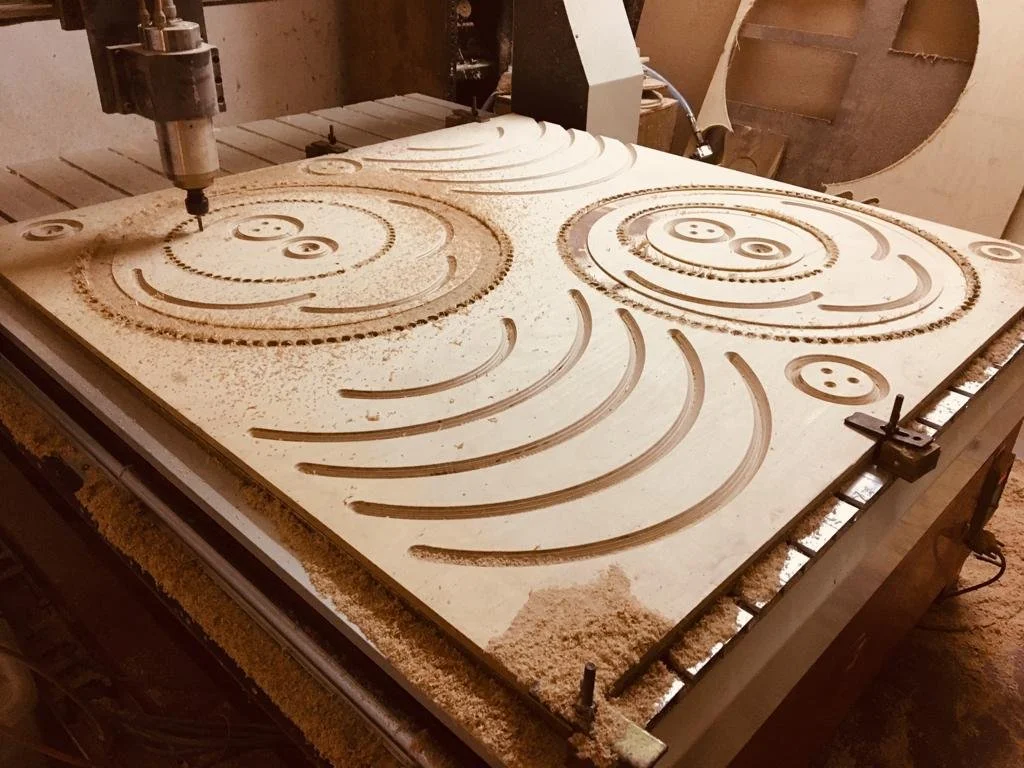
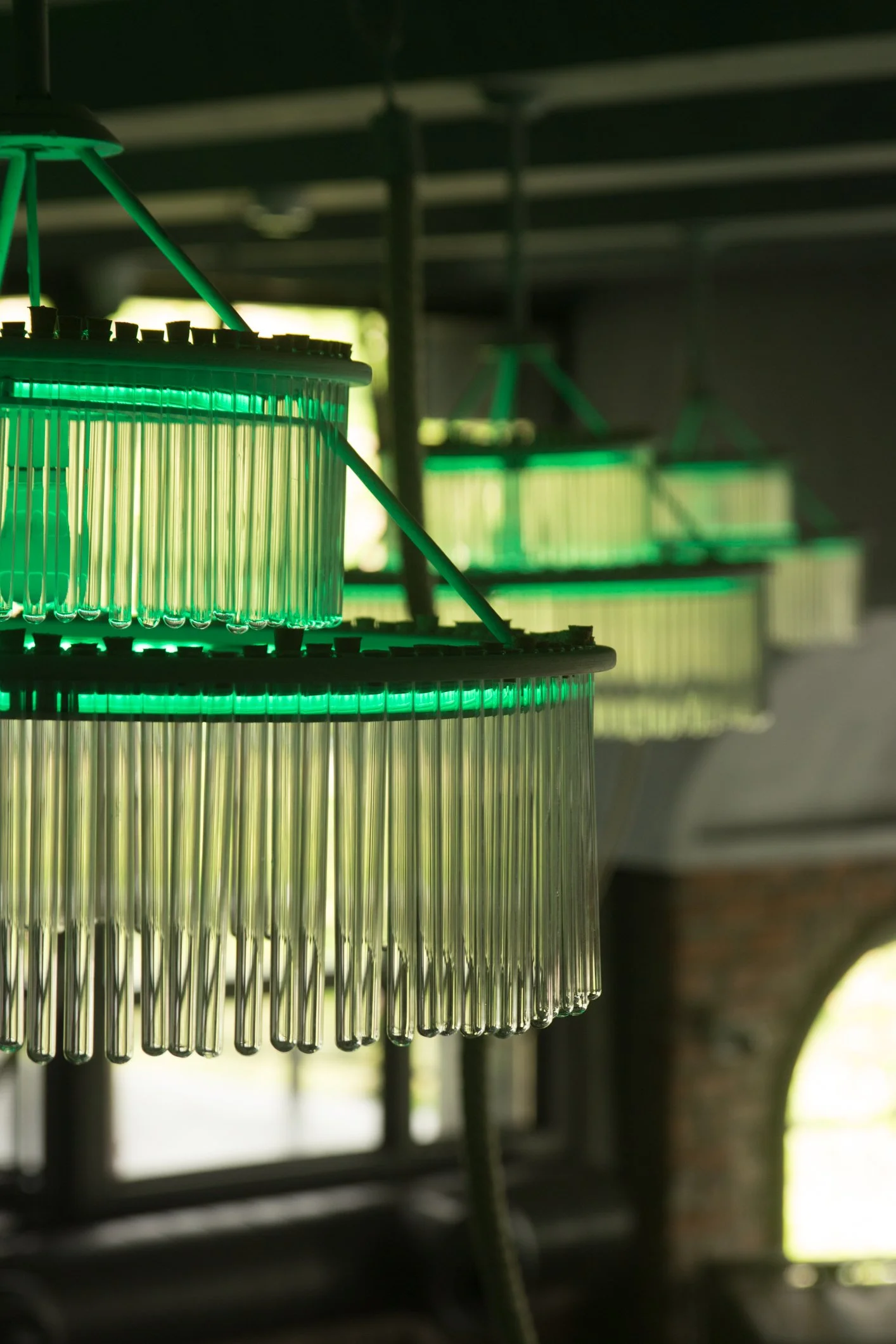
The design process followed for the production of the chandeliers began with the CNC machine, and then assembled by hand. The finished CNC cut and assembled chandelier was installed at Watsons’ in Bengaluru.
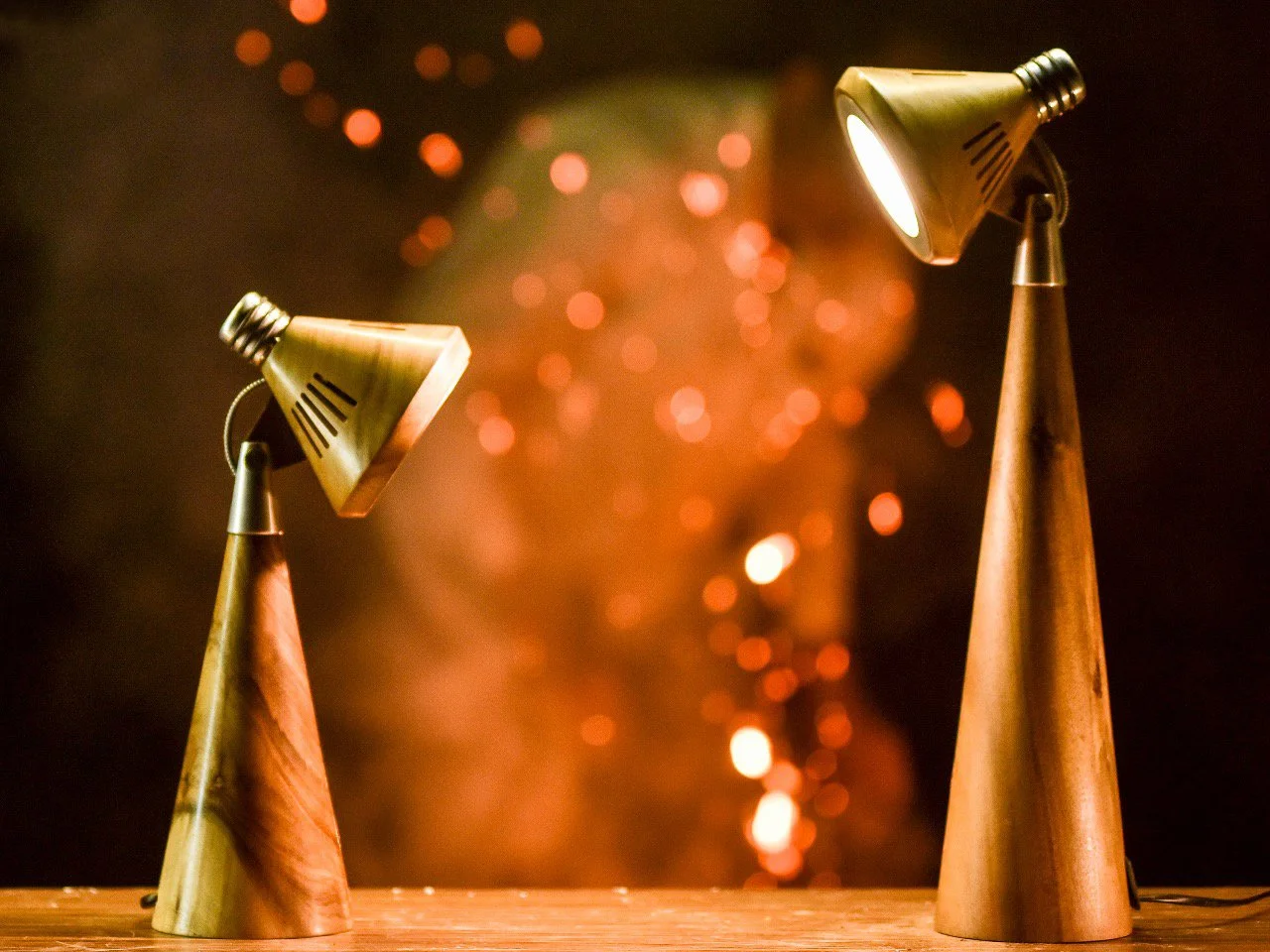
The elegantly designed Conscious Light, made from acacia wood. With easily turnable colour temperature ranging from incandescent warm white light to fluroscent cool white, the lights offer functionality on a diverse range of moods, from relaxed to focused. Made in collaboration with Keri Studio.
Currently, Samvit is exploring numerous forms of creative expression, both client-based and self initiated. Almost all his projects begin with an exploration in 3D, and clients are actively involved in modeling and refining the prototype. His design process accommodates the involvement of CNC Machines, laser cutting and 3D printing, as this enables the execution of intricate and precise designs, ensuring that the final product meets both the aesthetic as well as functional requirements. By positioning himself in this niche, Samvit can offer unique, customized solutions that reflect both the client’s vision as well as a dedication towards high quality craftmanship.
Having spent the first ten years of his life in Auroville, Samvit moved to France, and then went on to study Industrial and Product Design at the Massachusetts College of Arts in the United States. After working for close to seven years as a senior product designer and freelancer for several companies in Boston, Stamford and New York, he went on to teach design at Raffles University first in Shanghai for two years, and then in Mumbai for a year. In 2009, Samvit and his brother – along with a few of his former students – started LiGHT-FiSH, a sustainable product design studio in Auroville which believed design should be a combination of organic and systematic progressions.
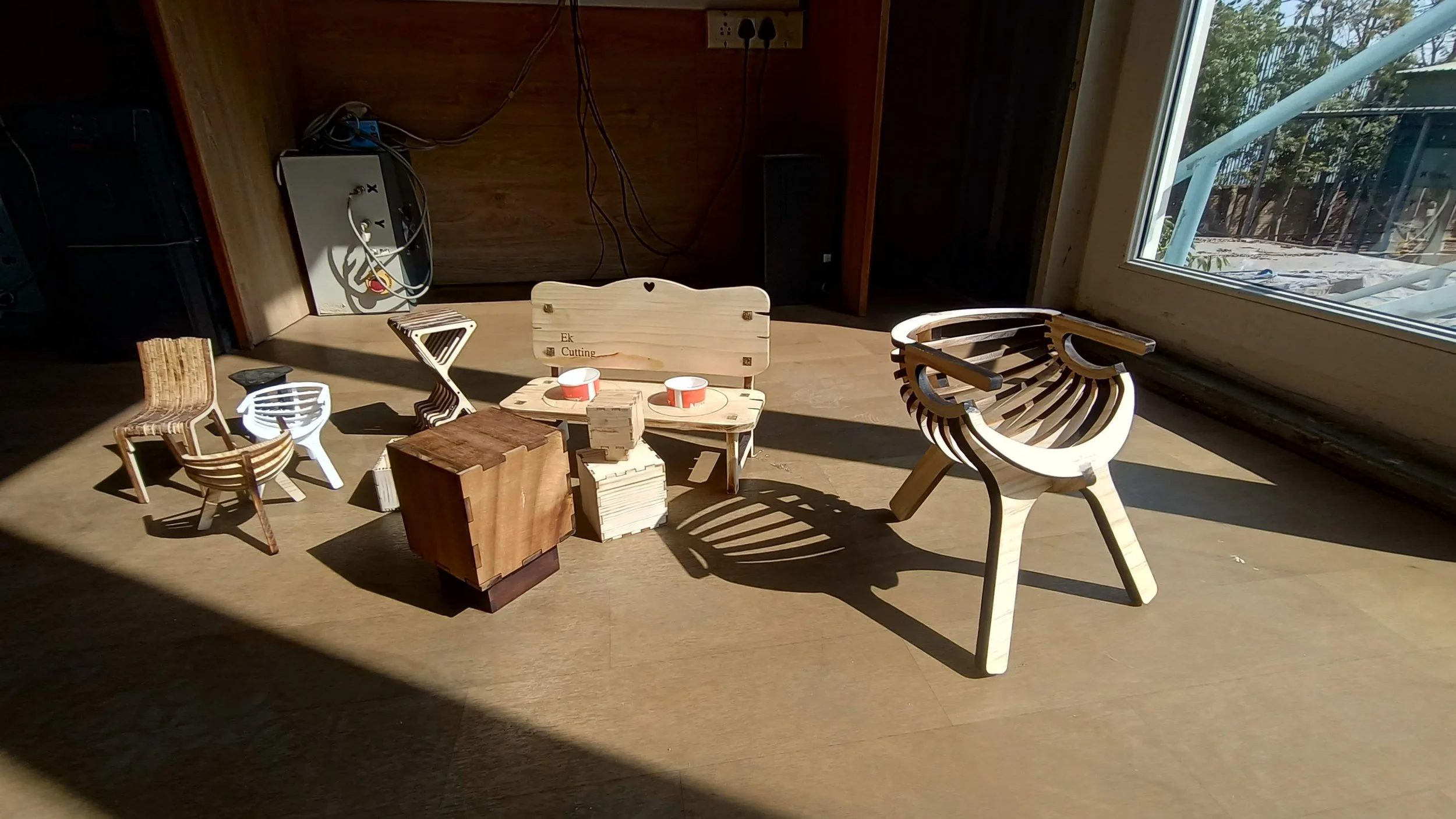
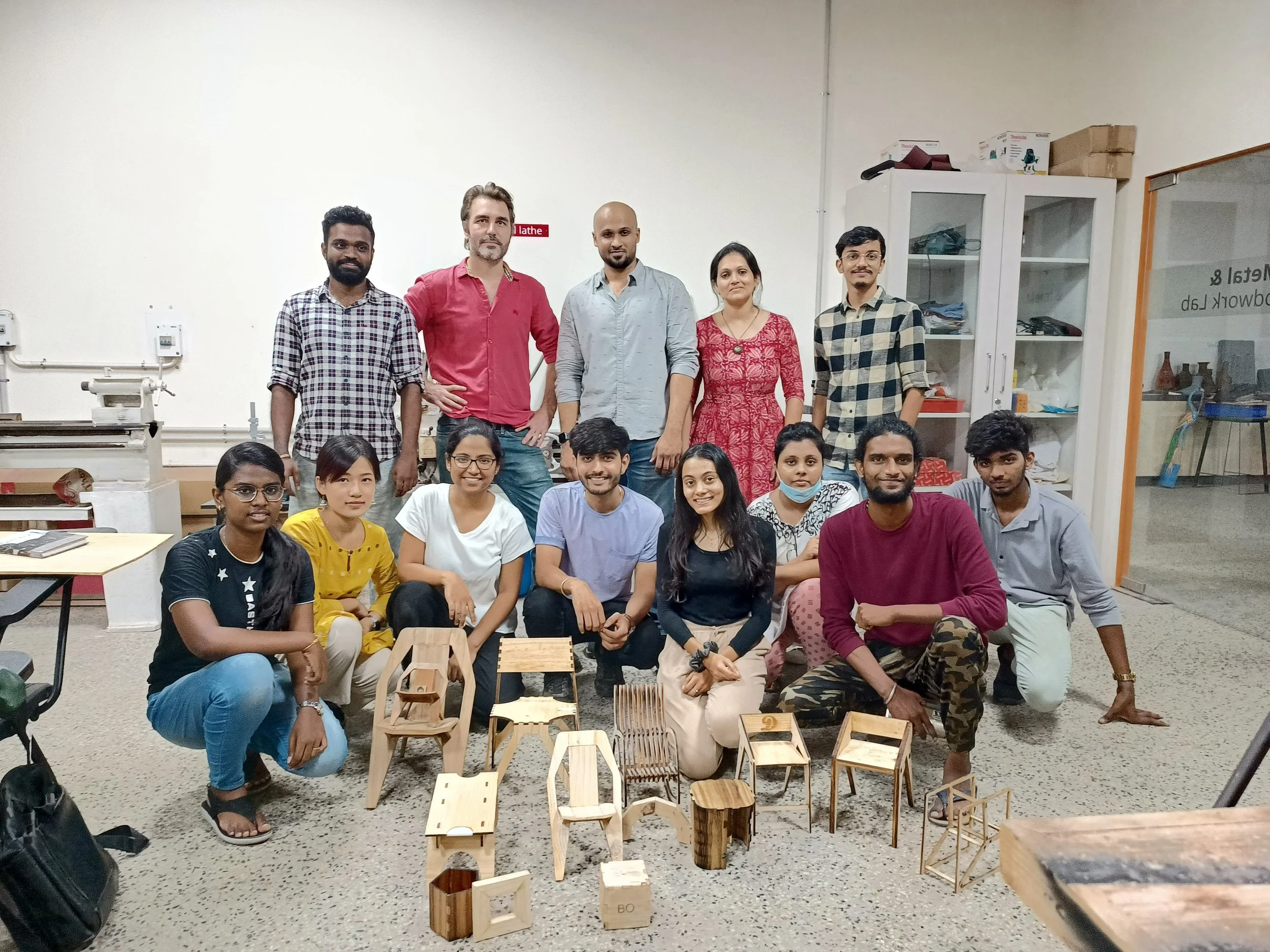
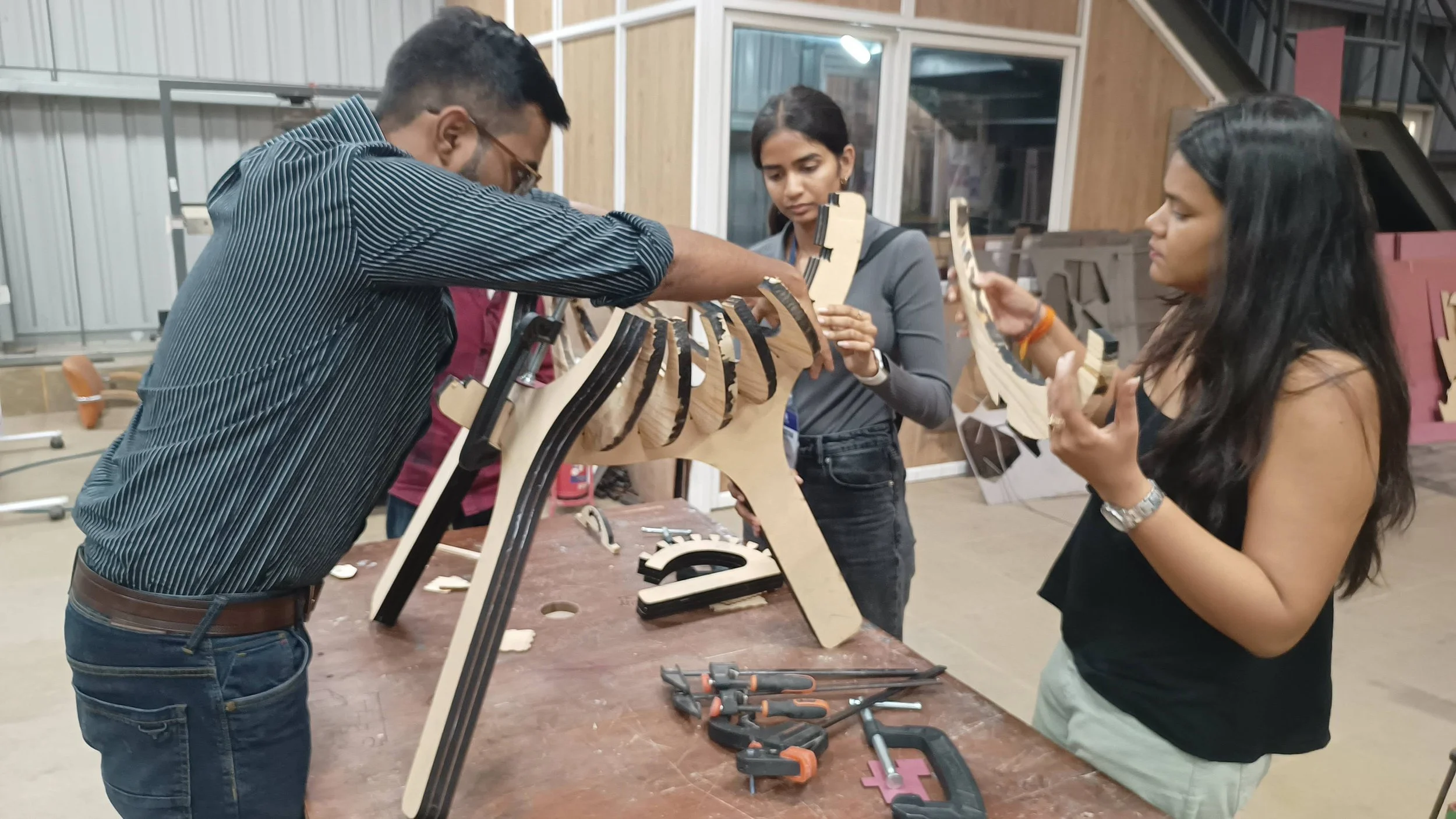
Stills from a workshop conducted by Samvit (center image, top row, second from left) with students from DOT School of Design, Chennai. The workshop focused on prototyping as a design process, engaging the students through the practice of making by oneself.
At the time the practice did not have a workshop space which they could experiment in, and so most of the work was done through computer technology and outsourced to fabricators and carpenters. Although this enabled financial sustainability without a significant investment, as well as facilitating the possibility of designing, animating and engineering remotely for companies based out of the US or anywhere else, there was a little to no contact between the people working at the practice and the materials being used. This gap became more apparent as time went on, and Samvit desired to be connected more closely with the material. This desire led him to begin a prototyping lab and physical studio by the later half of 2010.
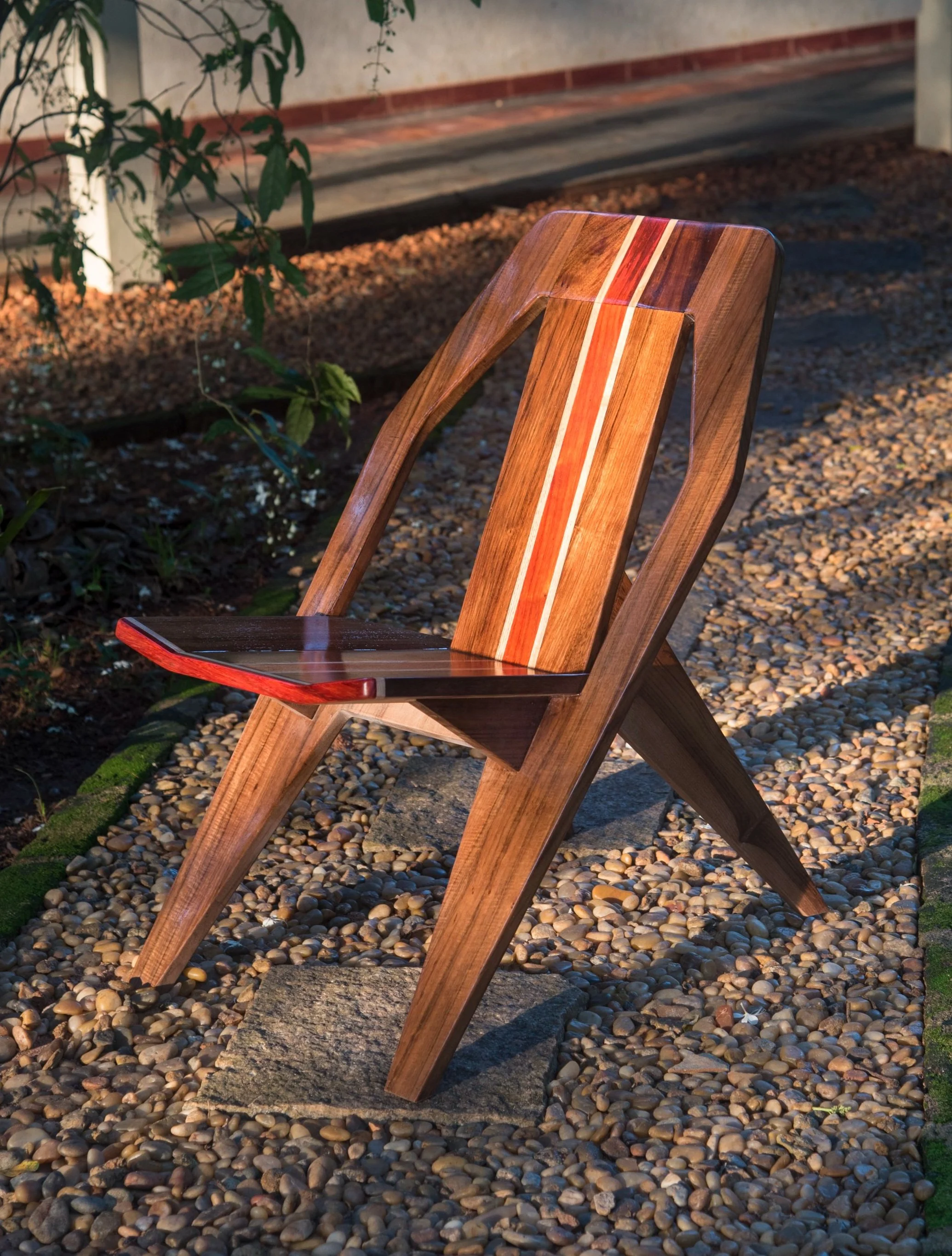
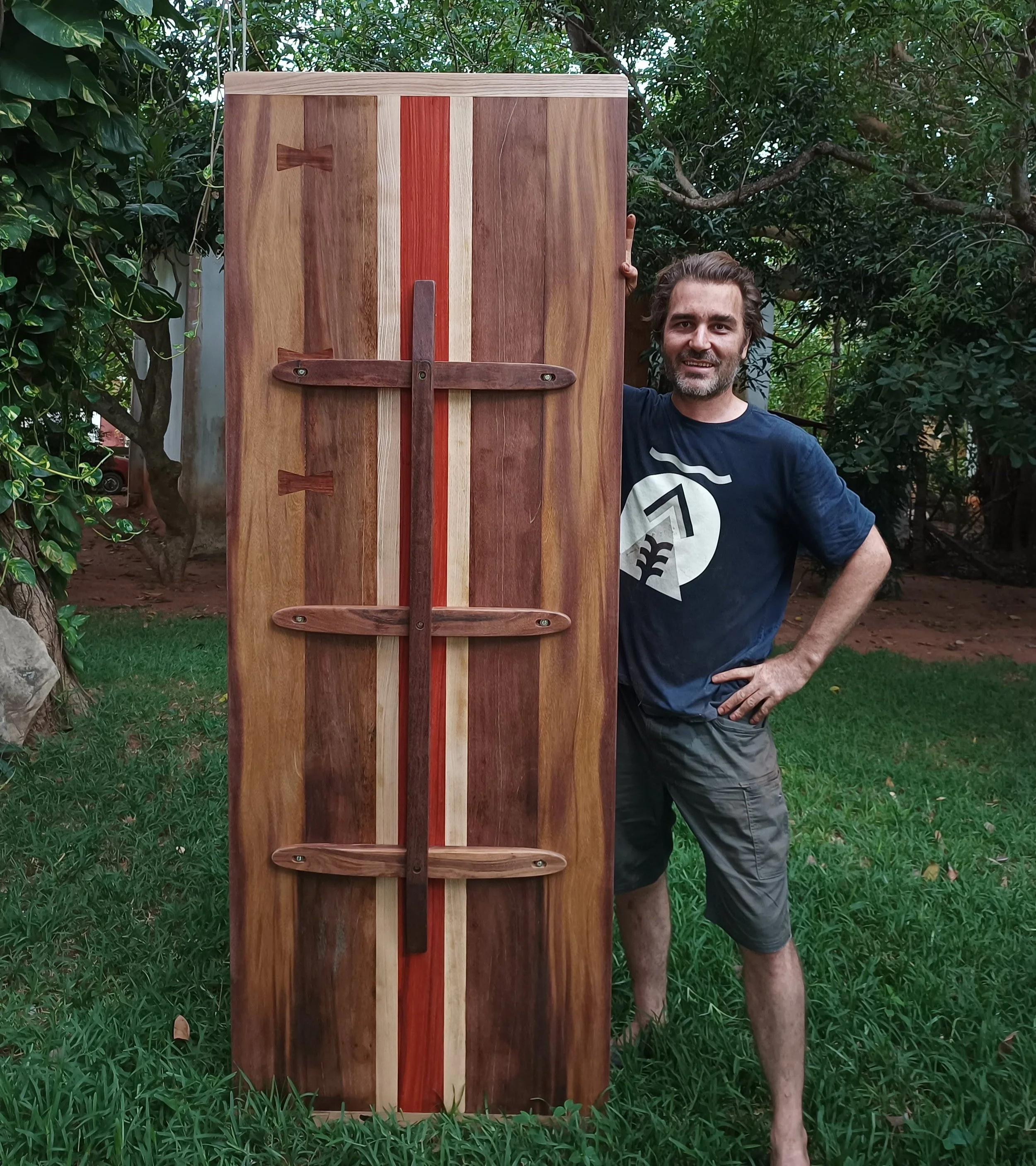
The SOLID WOOD chair from the dining table and chair set from LiGHT-FiSH, handcrafted with kalimadu, white ash and paduk. The warmth and elegance of the chair adds vibrancy and elegence to whichever space it is placed in.
Over the years, Samvit has explored various areas of design, all with the belief that good design need not be expensive. “I have always felt that a designer should have the skills to create well-designed yet affordable products,” says Samvit. However, his focus has recently shifted towards bespoke high-end, complex projects. This has enabled a downsizing of the team and an increase in the personal time that Samvit gets to spend designing and crafting. This evolution in design language reflects a deeper commitment to craftmanship and a more intimate engagement with each project, not only allowing him to be more engaged with his craft, but also resulting in the production of products of a higher quality and caliber.
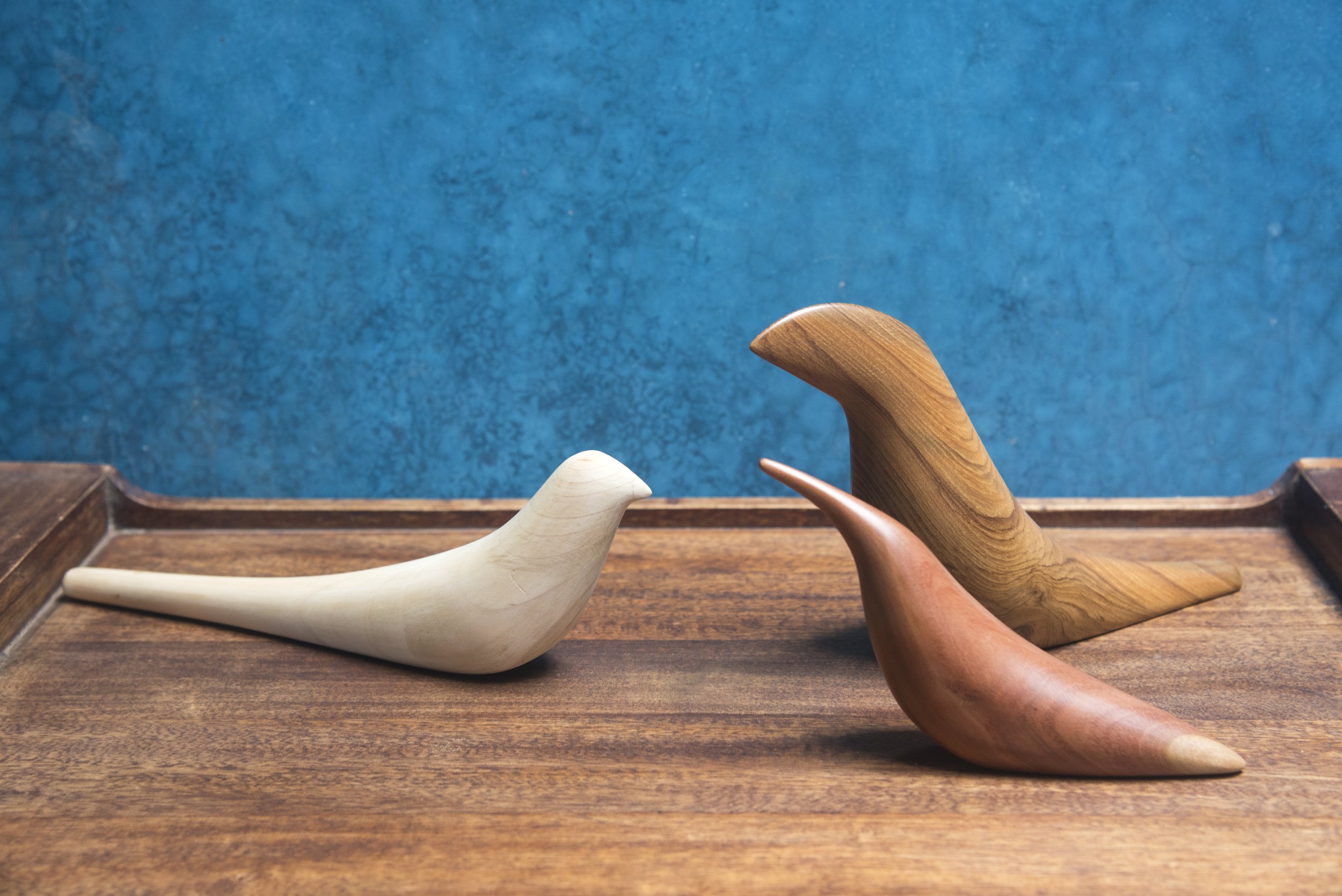
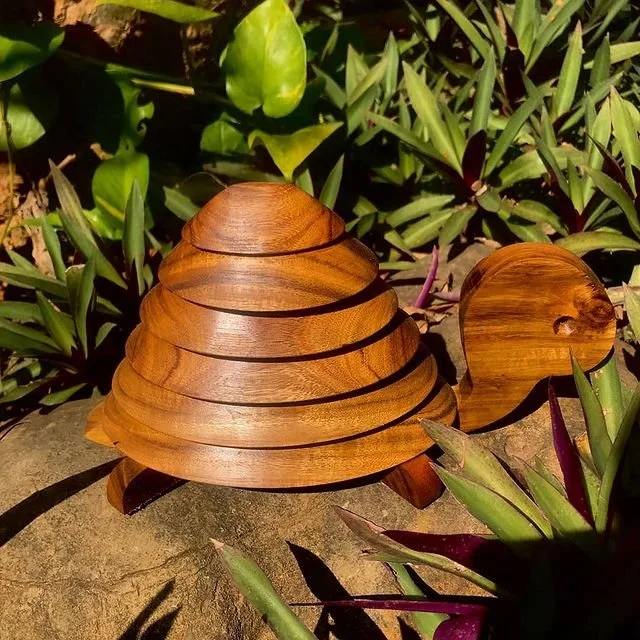
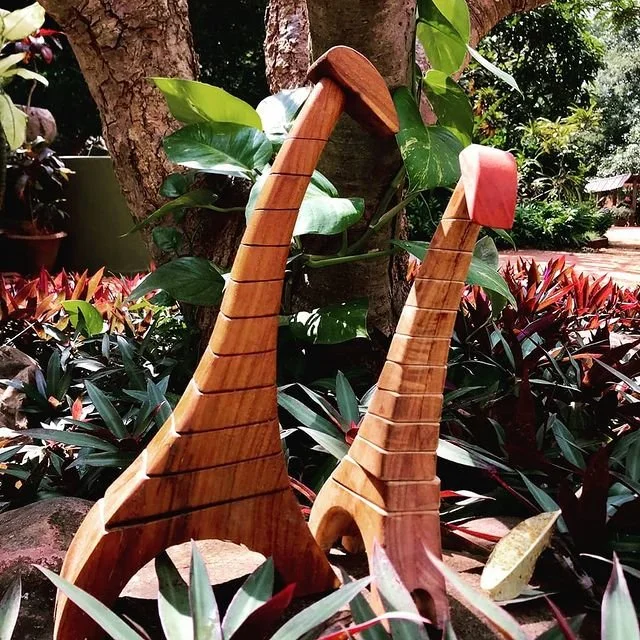
The Birds, Turtle and Giraffe Toys, built as part of a sculptural toy vertical developed by Samvit.
Although the majority of Samvit’s experiments are commissioned works, he also dedicates time to experimentative or purely expressive work. Commissioned work follows a structure that is client focused: first understanding the goals of the client, followed by an iterative design process that incorporates feedback and refinements. In contrast, experimentation is fluid and exploratory, fostering creativity and innovation. This combination of commissioned and non-commissioned work not only keeps him engaged and inspired, but also continually expands his design repertoire.
At the end of the process, I need to be able to answer why any design or construction detail was made. Everything needs to have a purpose, adding something valuable.
- Samvit Blass
To Samvit, projects which are beautiful, sustainable and present challenges to him that pushes the boundaries of his skills and experimentation, are all meaningful projects. To him, any projects is a successful if it manages to adhere to these ideas while also contributing positively to the environment and society. The intended afterlife of such work is to inspire sustainable practices and innovation in design, leaving a lasting impact that goes beyond the life of the product. This legacy of ideas is something that Samvit always held at the core of his design philosophies, as even his teaching and workshops were in service to anybody eager and willing to learn.
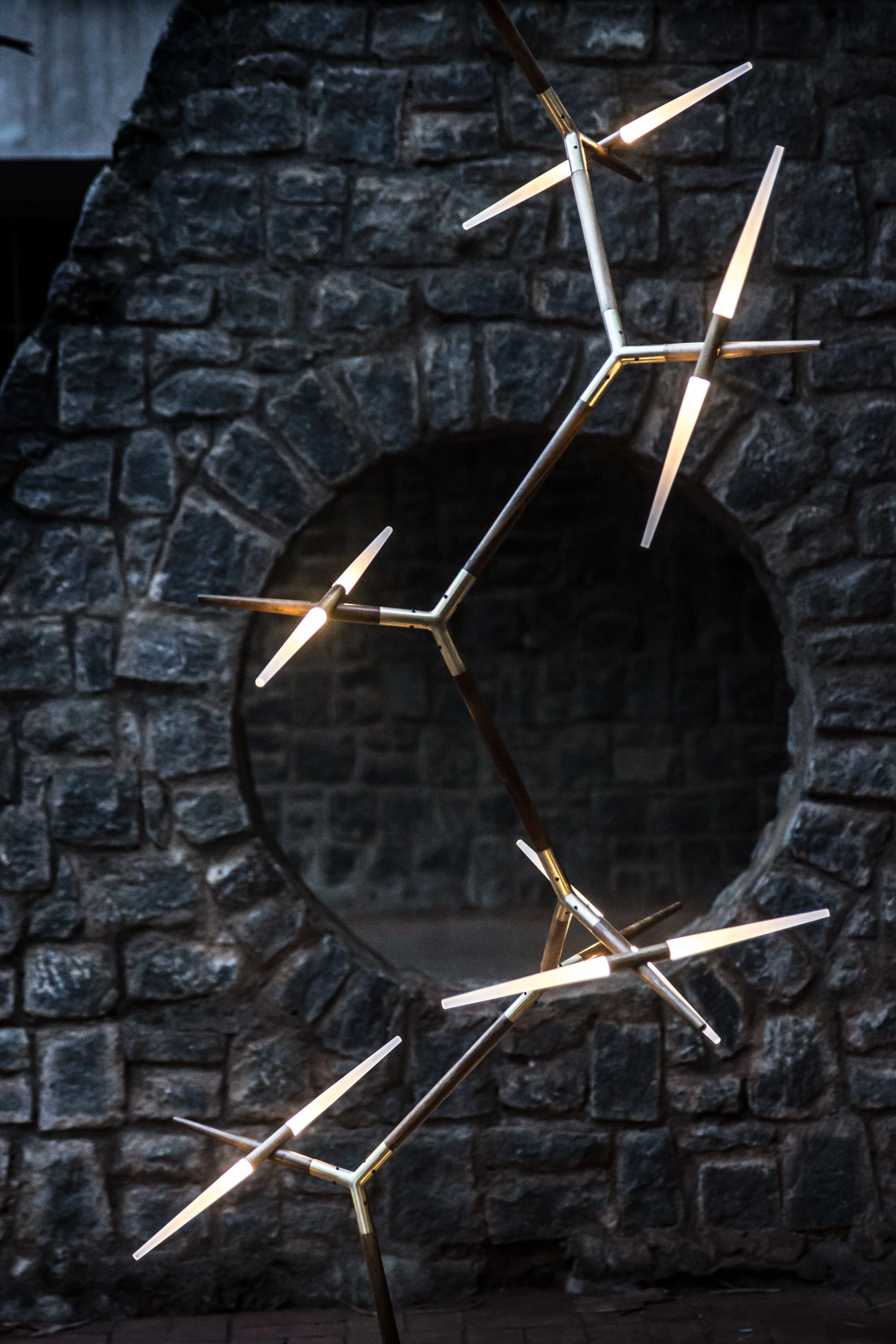
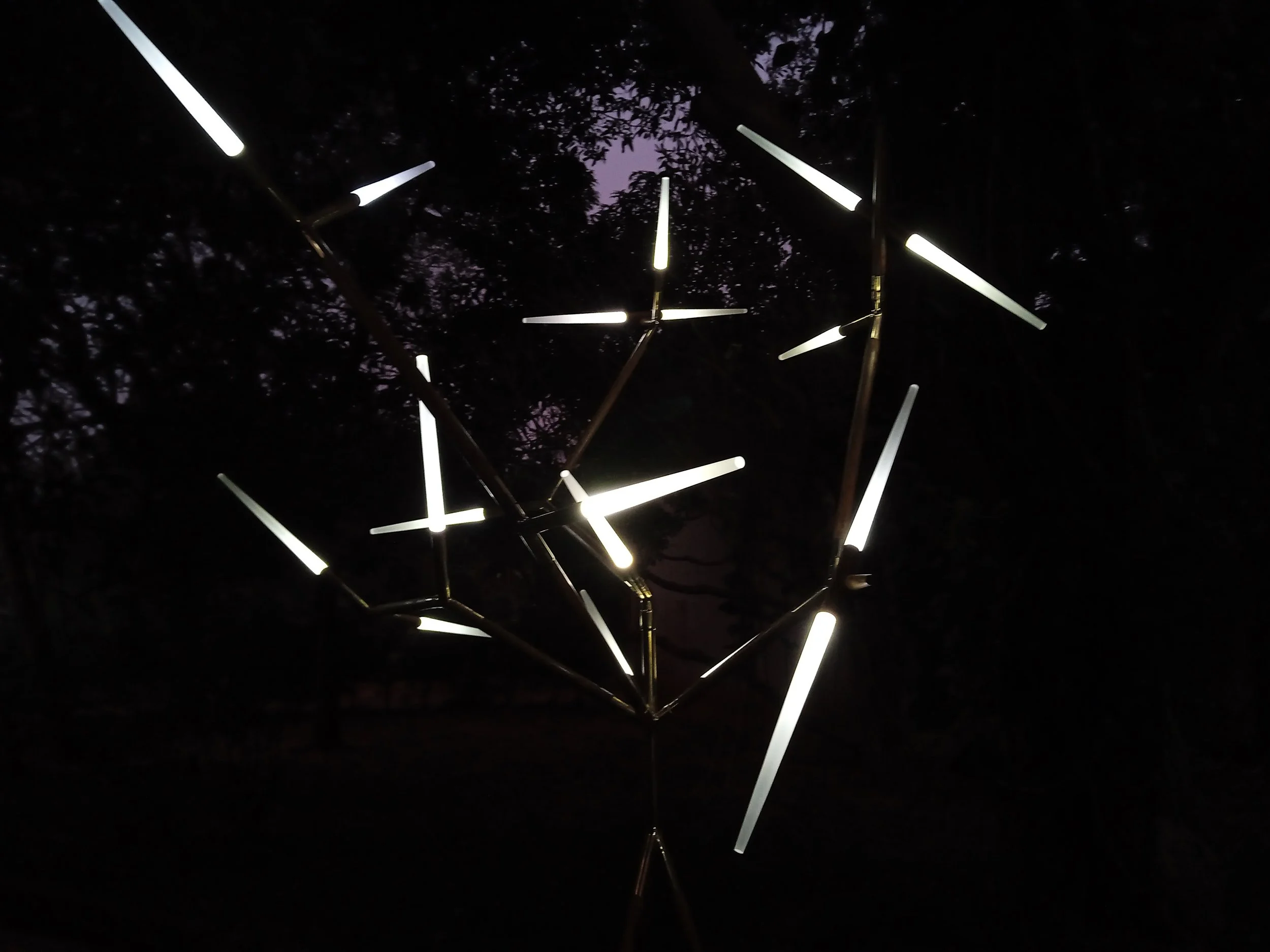
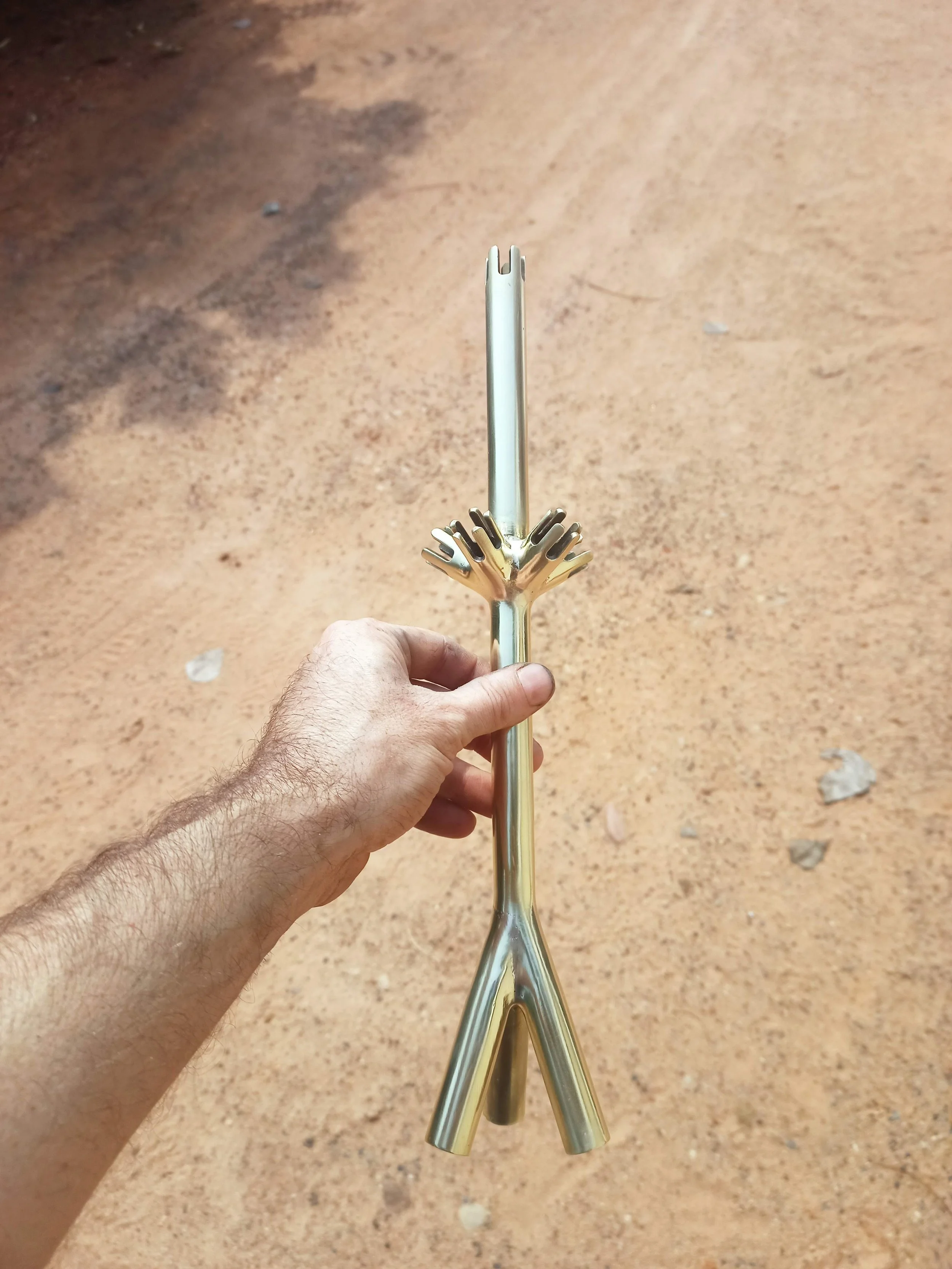
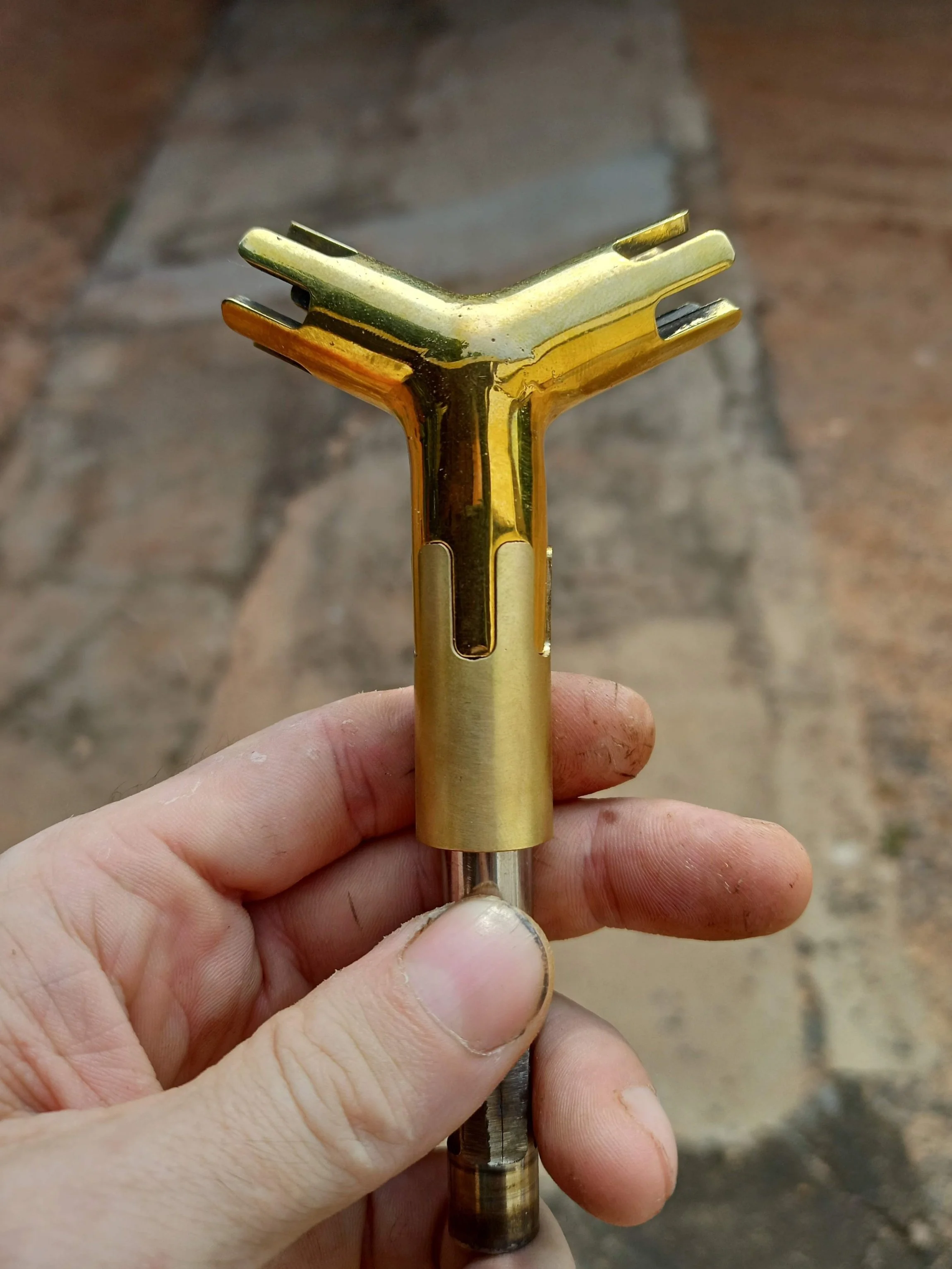
A small easy to move side table that complements a client (Nandan’s) arm chairs, which are designed by PhantomHands. Designed with the clients aesthetic preferences and practical needs in mind, the side table offers subtle visual punctuation in the setting of the living room
Samvit was the first subscriber to the Dimension Network, and since he is a big believer in design collaboration, the Dimension Network seemed to be the perfect place for experimentation and sharing of resources. According to Samvit, “We all have our strengths, and through collaboration, we can accomplish bigger projects and learn from each other. Dimension offers the perfect platform for this.” Having worked with several members on numerous projects, this belief in the power of collective creativity have only expanded, and he would like to see the organization evolve into a more balanced network with greater emphasis on connecting designers together, paving the way to expand the knowledge in the field of design.
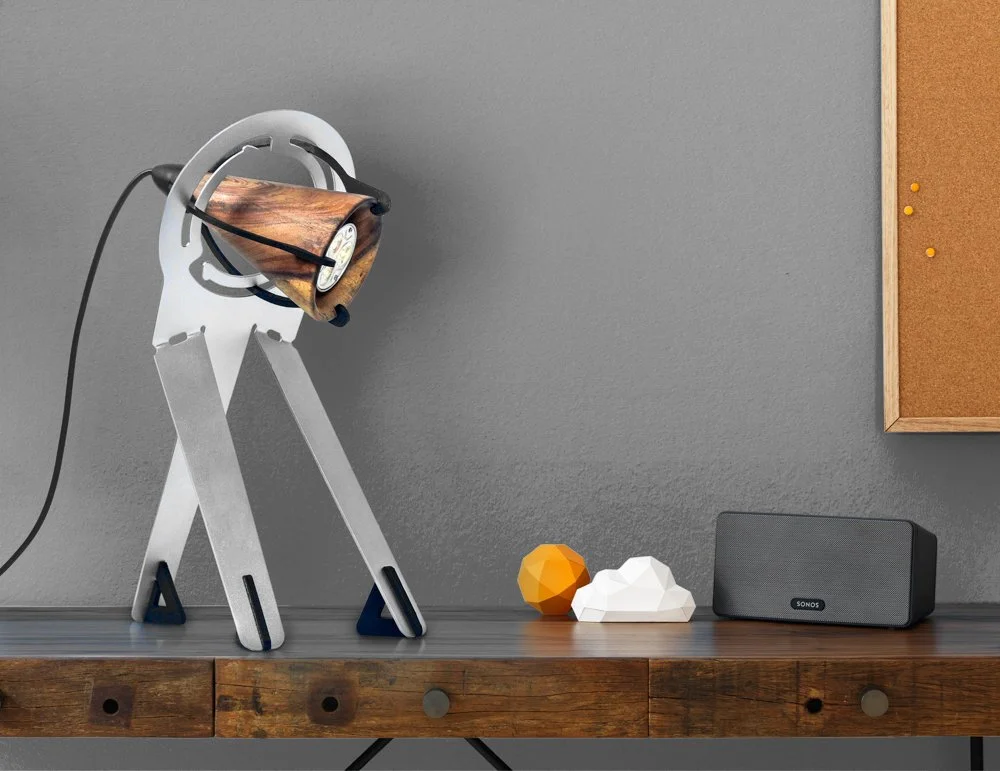
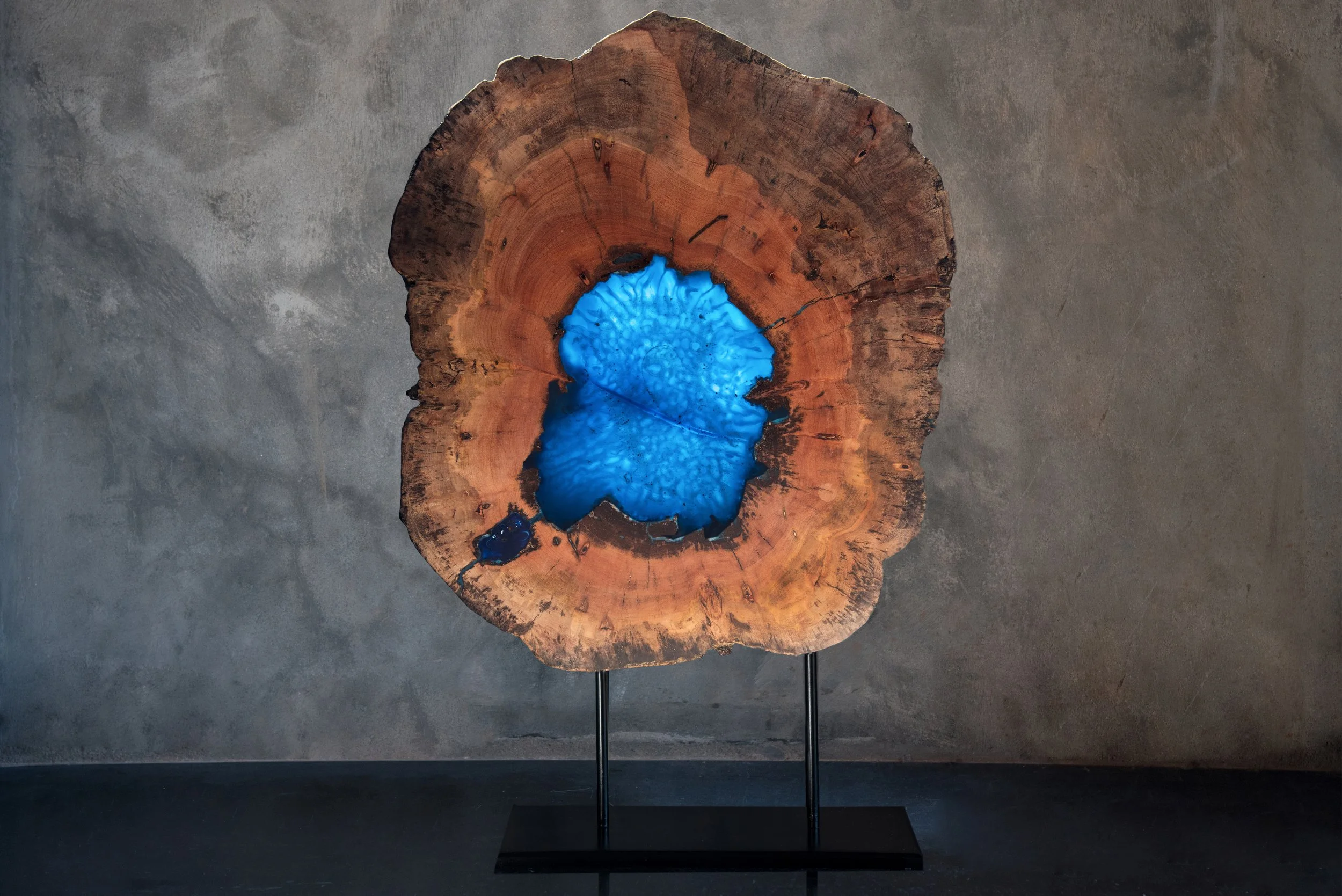
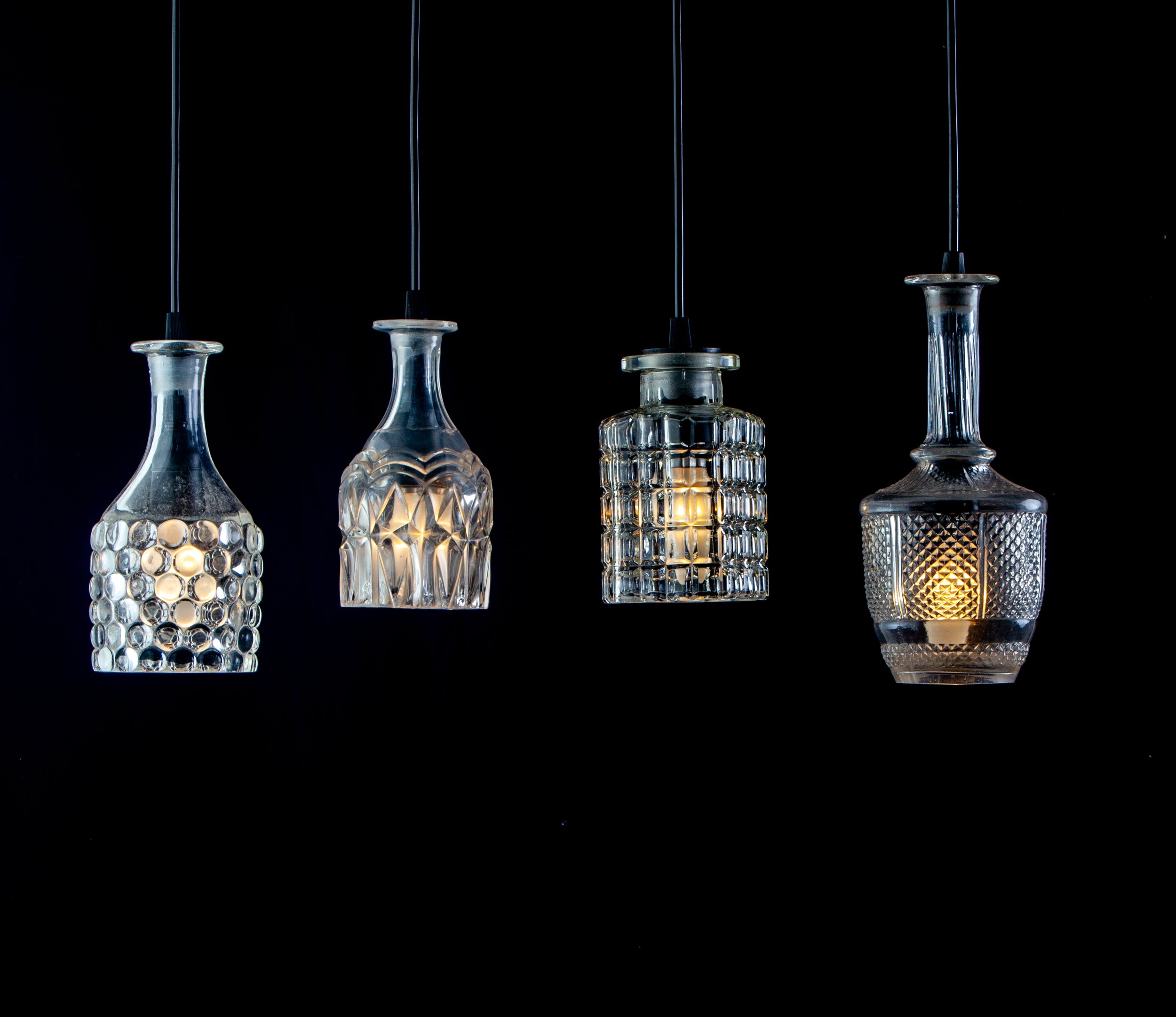
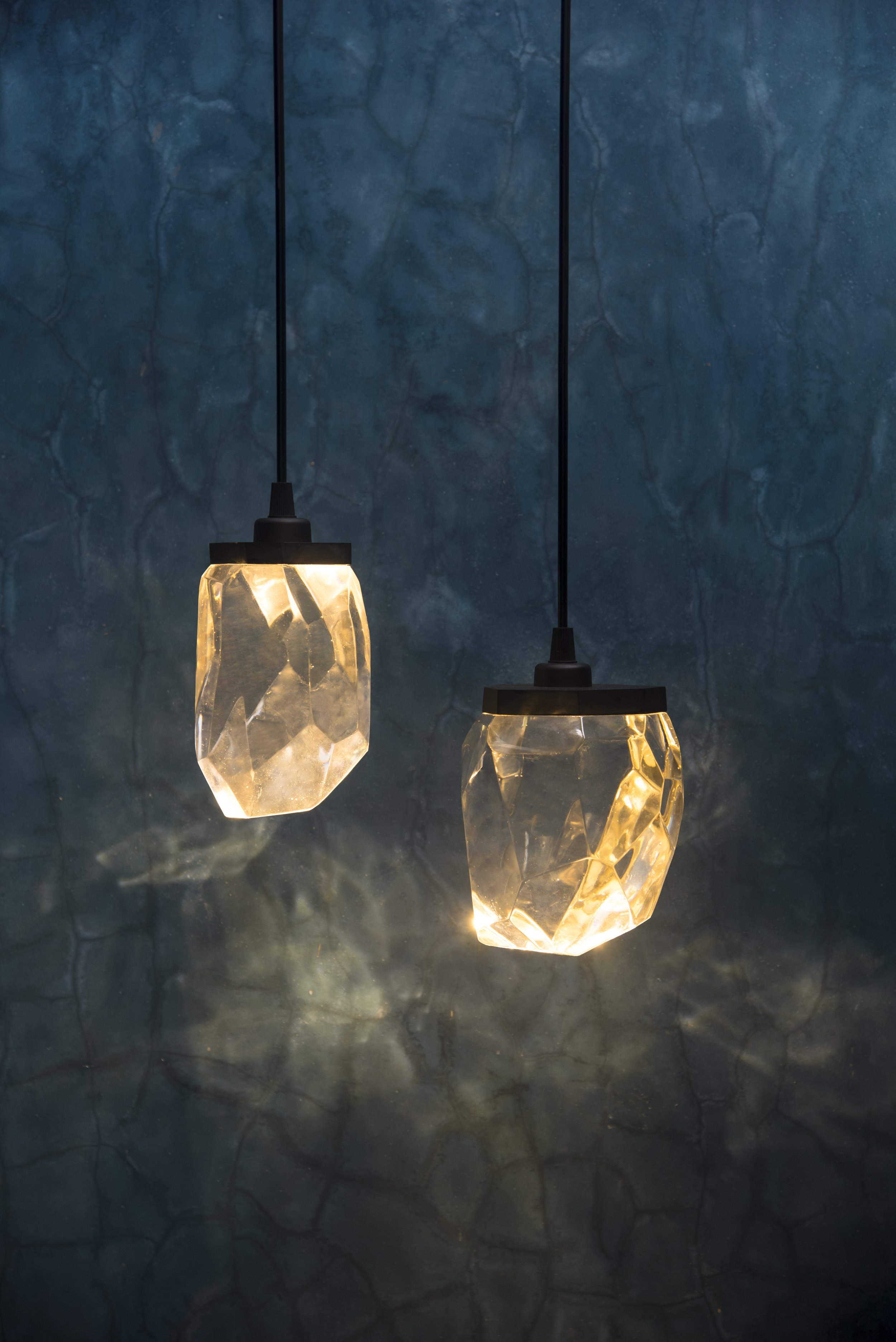
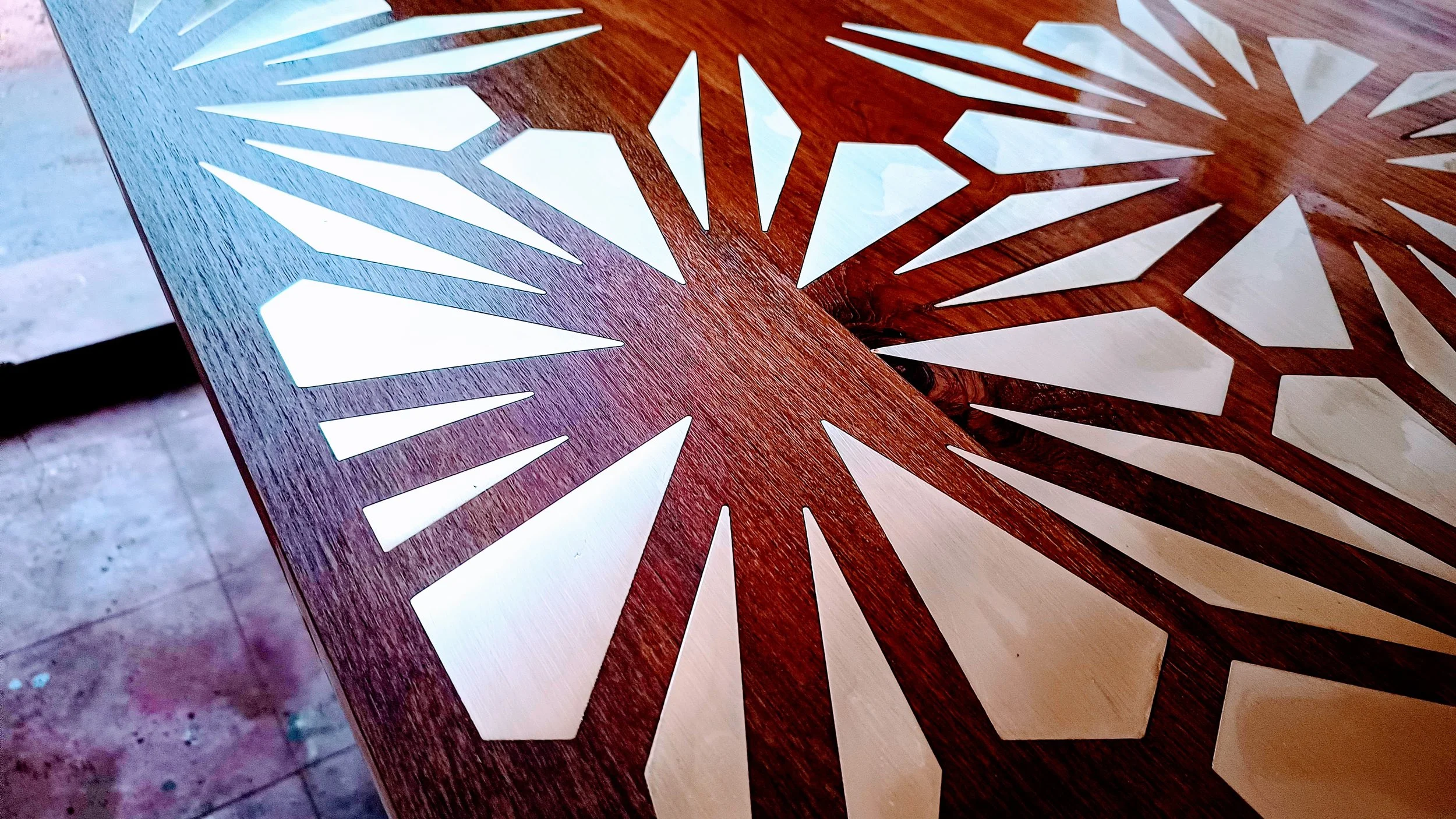
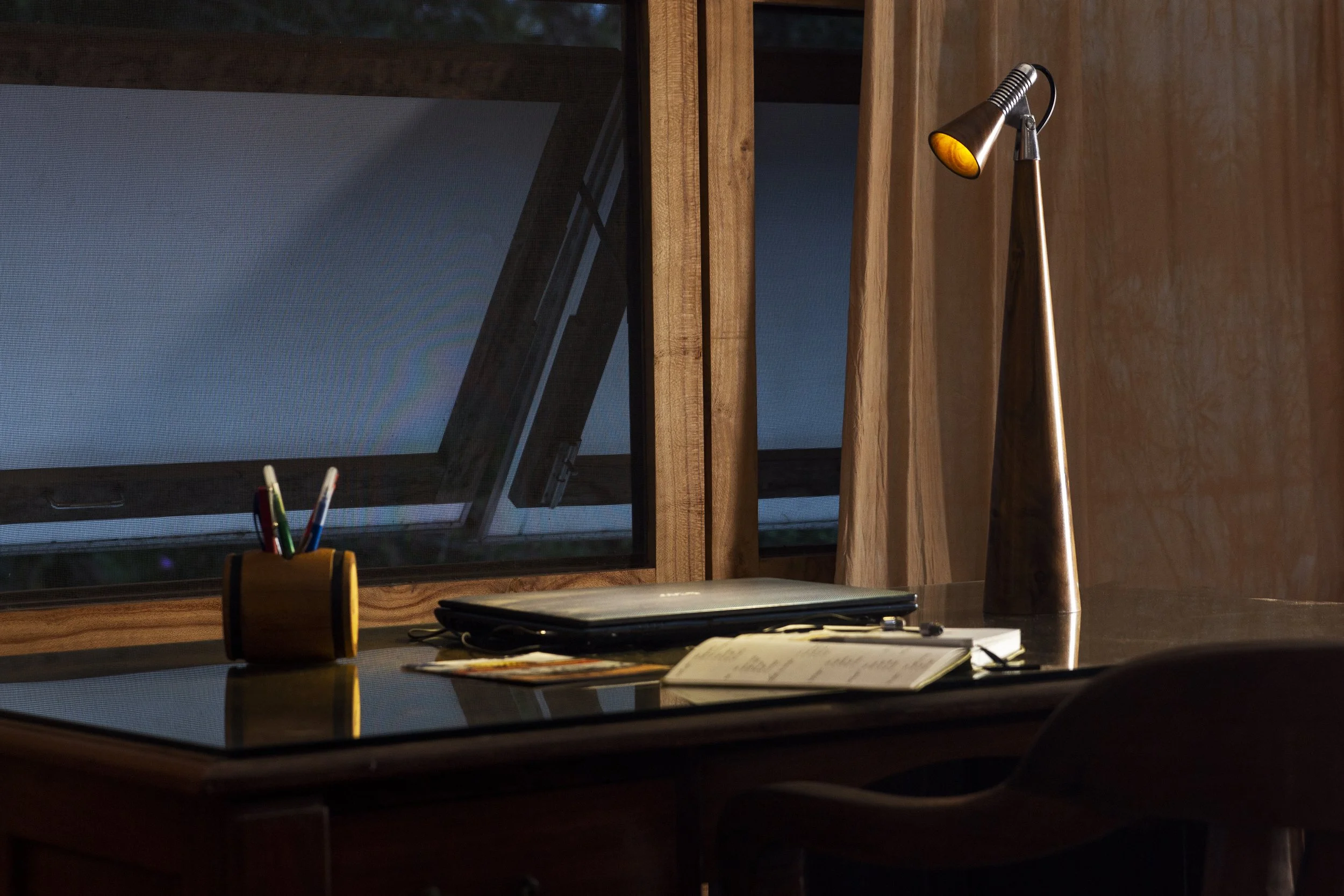
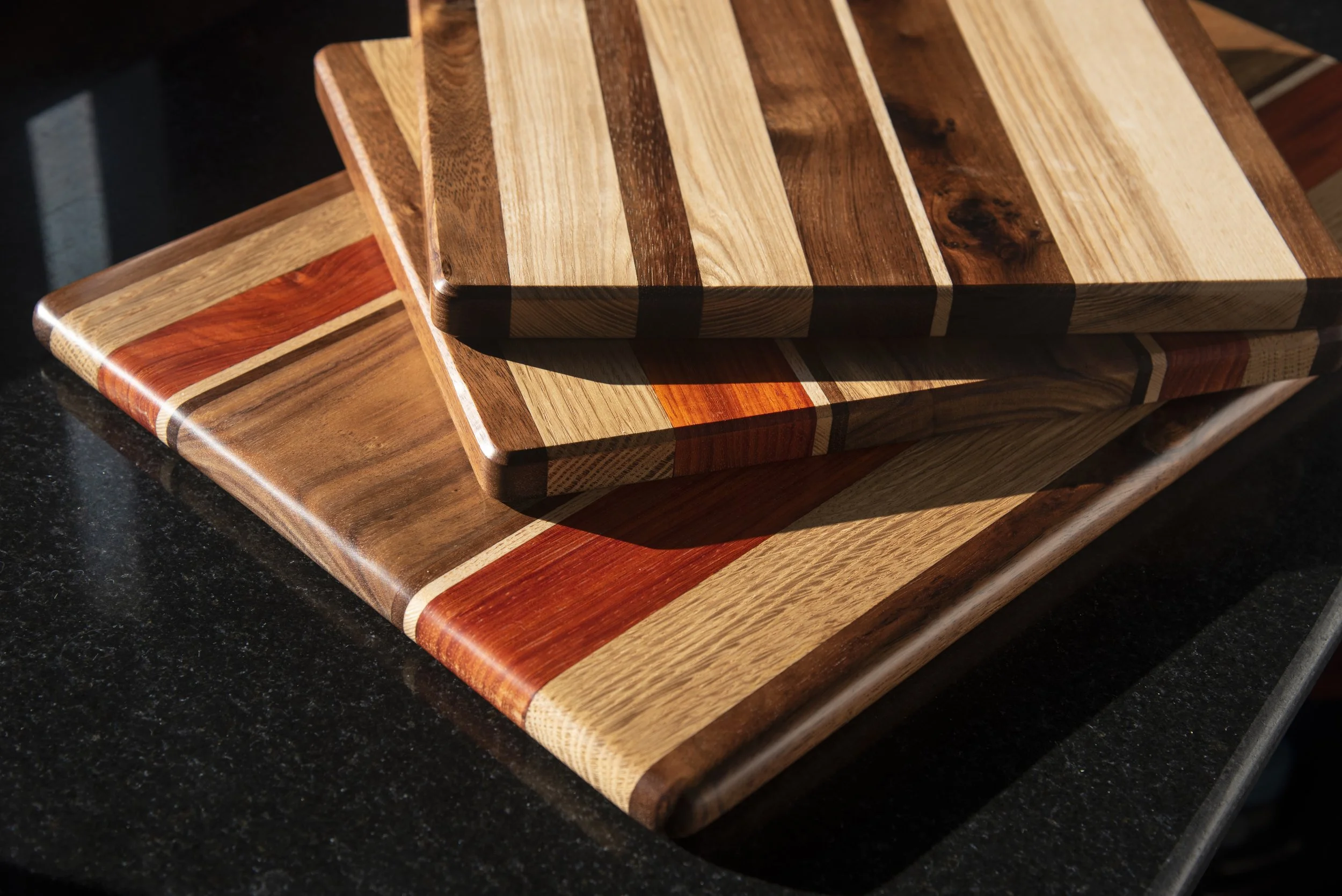
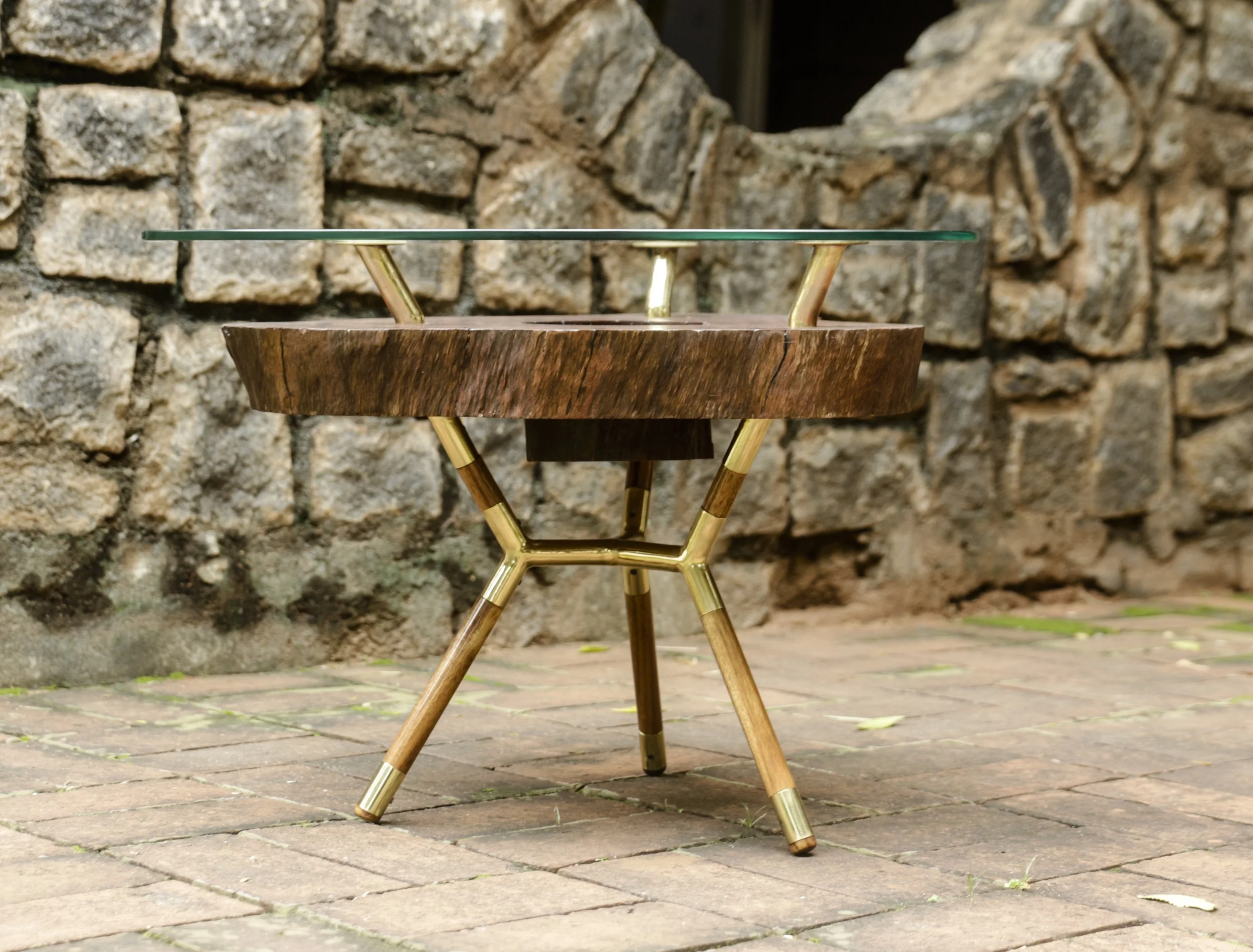
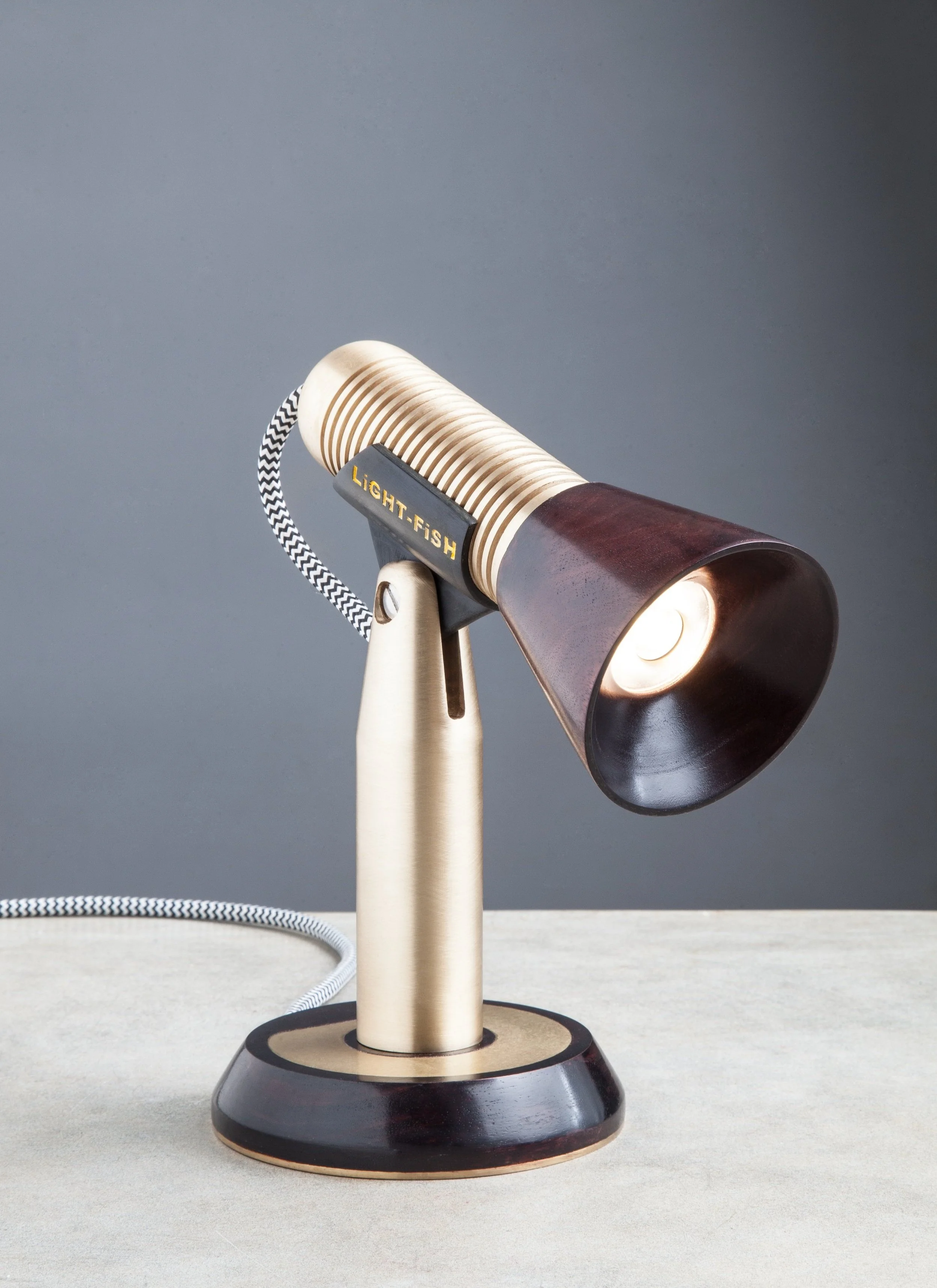
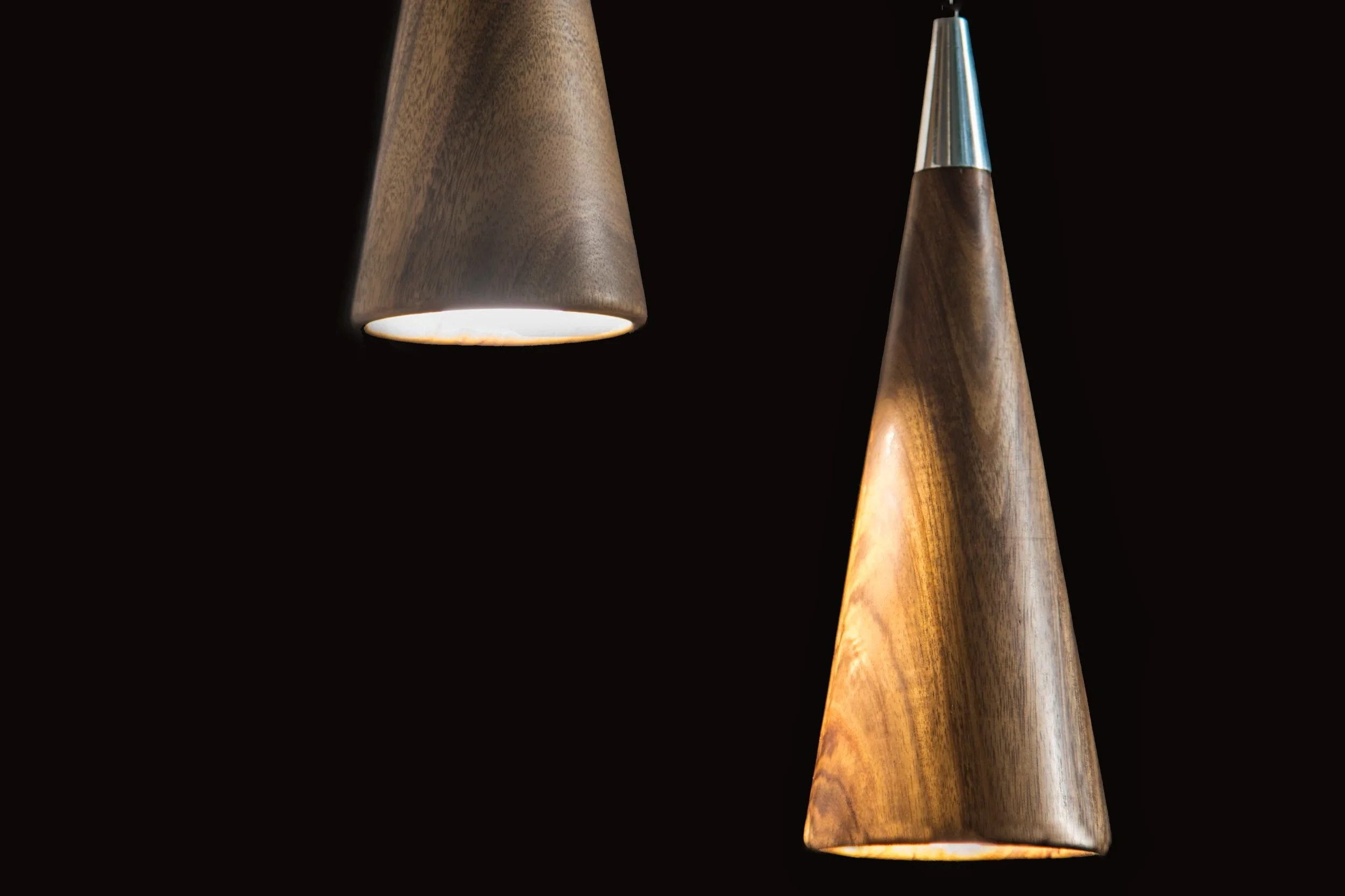
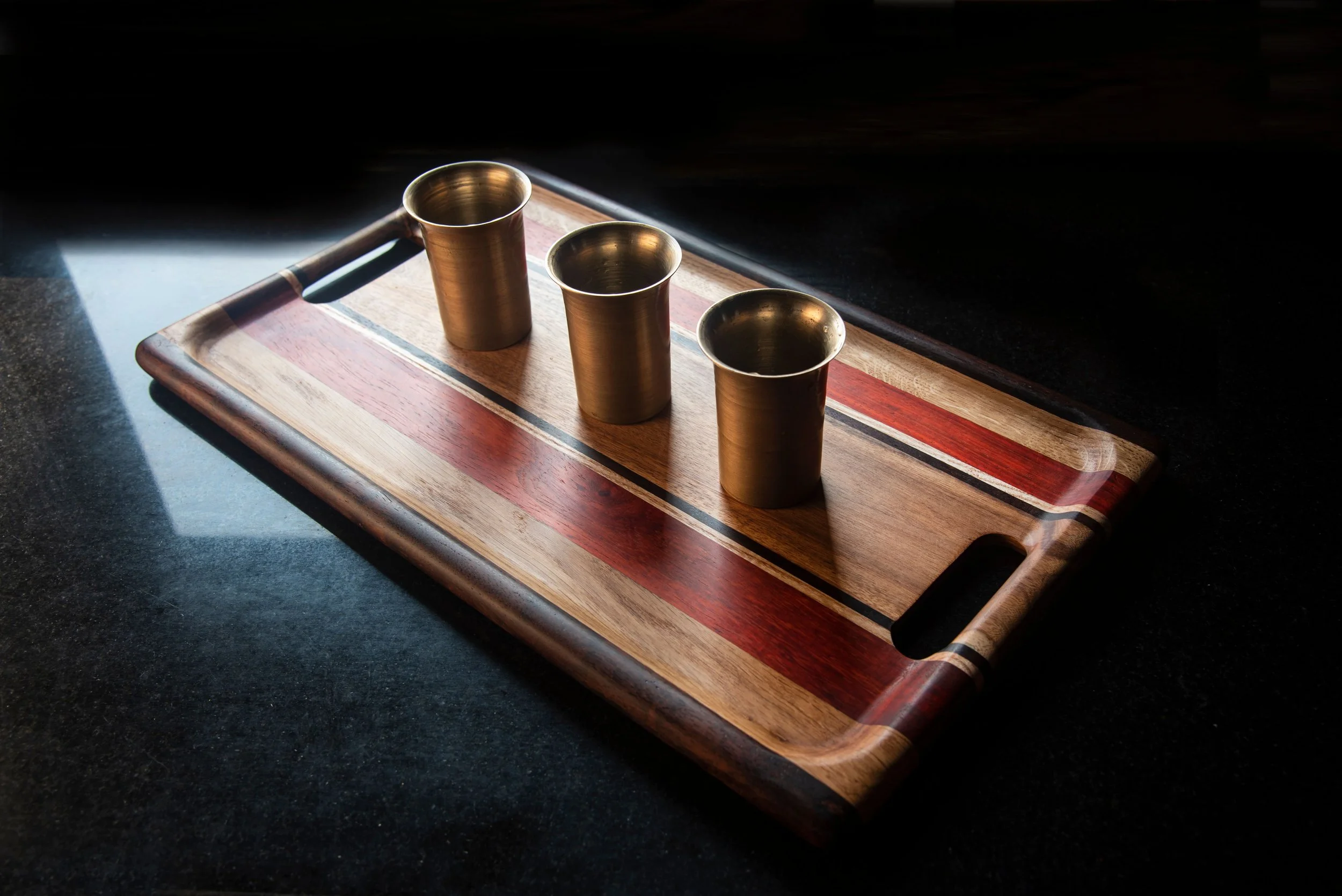
Assortment of Products designed by Samvit Blass at LiGHT-FiSH.
Currently, Samvit is engaged in work with Architects and interior designers, using reclaimed wood to create lights, furniture and décor products, bringing custom designs to life through collaboration. The potential to work with new designers and craftsmen excite him, carrying the potential to foster creativity and craftmanship, all while pushing the boundaries in the field of furniture and product design.
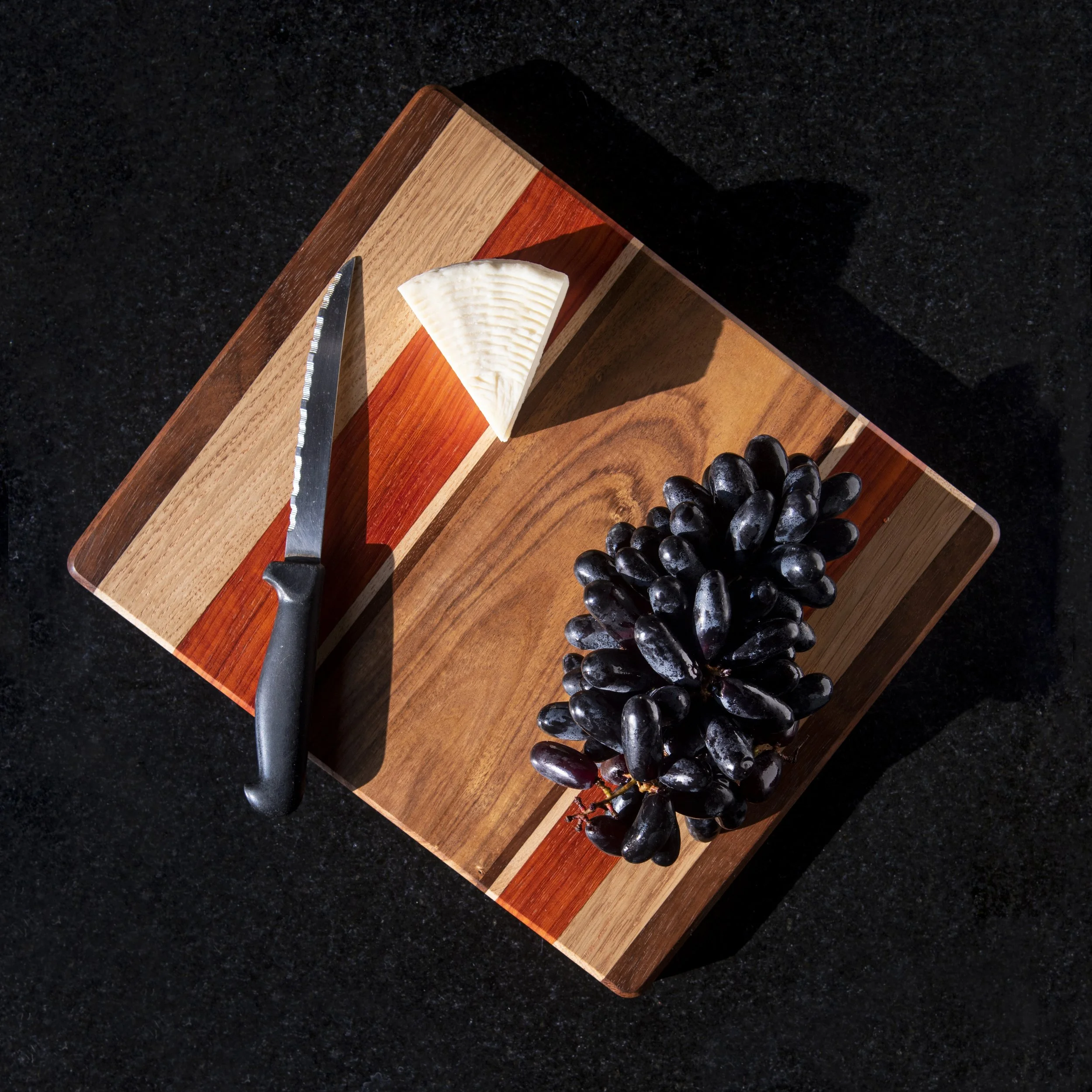
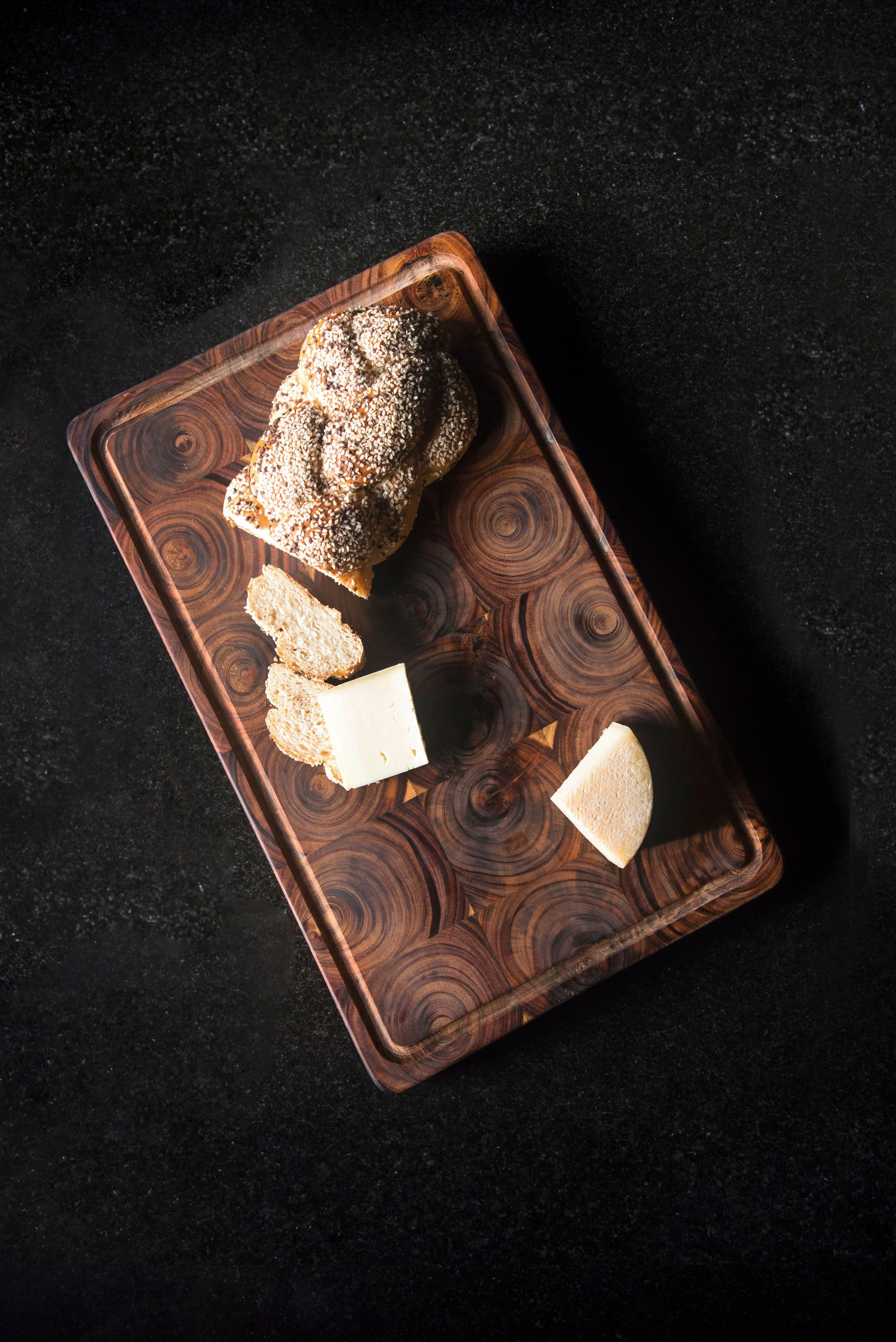
Samvit Blass currently freelances and works out of Auroville. He spends his time primarily on projects commissioned to him, but also makes it a point to spend a certain amount of time every week on experimental work that informs his knowledge on contemporary materials.
He can be reached at sblass@light-fish.com.